



Nonfiction
eBook
Details
PUBLISHED
DESCRIPTION
1 online resource
ISBN/ISSN
LANGUAGE
NOTES
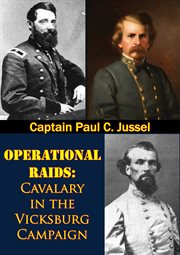
This study is a historical analysis of the cavalry raids led by Confederate Major Generals Earl Van Dorn and Nathan Bedford Forrest in December 1862 and Union Colonel Benjamin Grierson in April 1863. Each raid is examined in detail based on the historical data available and focuses on the operational concerns and considerations of Union and Confederate commanders. Some of the conclusions that can be drawn from this investigation are: the use of cavalry had evolved to large, independent units for separate operations; the operational benefit of cavalry was demonstrated first by the Confederacy, then refined and used by the Federals during the Vicksburg Campaign; the synchronization and orchestration of units from different commands against a common target produced significant benefits; and sufficiently strong units, capable of self-sustainment, can be detached from the main body of an army to operate behind enemy lines to destroy the enemy Infrastructure. The study concludes that operational raids can be a significant economical operation to attack an enemy center of gravity without using the bulk of the army. The historical examples from the Vicksburg Campaign can be compared to today's force structure to show that capability is limited for the modem commander
Mode of access: World Wide Web