






Nonfiction
eBook
Details
PUBLISHED
DESCRIPTION
1 online resource
ISBN/ISSN
LANGUAGE
NOTES
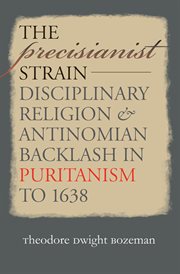
In an examination of transatlantic Puritanism from 1570 to 1638, Theodore Dwight Bozeman analyzes the quest for purity through sanctification. The word "Puritan," he says, accurately depicts a major and often obsessive trait of the English late Reformation: a hunger for discipline. The Precisianist Strain clarifies what Puritanism in its disciplinary mode meant for an early modern society struggling with problems of change, order, and identity.Focusing on ascetic teachings and rites, which in their severity fostered the "precisianist strain" prevalent in Puritan thought and devotional practice, Bozeman traces the reactions of believers put under ever more meticulous demands. Sectarian theologies of ease and consolation soon formed in reaction to those demands, Bozeman argues, eventually giving rise to a "first wave" of antinomian revolt, including the American conflicts of 1636-1638. Antinomianism, based on the premise of salvation without strictness and duty, was not so much a radicalization of Puritan content as a backlash against the whole project of disciplinary religion. Its reconceptualization of self and responsibility would affect Anglo-American theology for decades to come
Mode of access: World Wide Web