



Details
PUBLISHED
Made available through hoopla
DESCRIPTION
1 online resource
ISBN/ISSN
LANGUAGE
NOTES
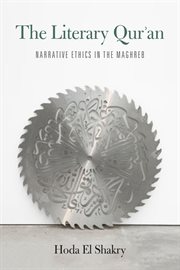
The novel, the literary adage has it, reflects a world abandoned by God. Yet the possibilities of novelistic form and literary exegesis exceed the secularizing tendencies of contemporary literary criticism. Showing how the Qurʾan itself invites and enacts critical reading, Hoda El Shakry's Qurʾanic model of narratology enriches our understanding of literary sensibilities and practices in the Maghreb across Arabophone and Francophone traditions. The Literary Qurʾan mobilizes the Qurʾan's formal, narrative, and rhetorical qualities, alongside embodied and hermeneutical forms of Qurʾanic pedagogy, to theorize modern Maghrebi literature. Challenging the canonization of secular modes of reading that occlude religious epistemes, practices, and intertexts, it attends to literature as a site where the process of entextualization obscures ethical imperatives. Engaging with the Arab-Islamic tradition of adab-a concept demarcating the genre of belles lettres, as well as social and moral comportment-El Shakry demonstrates how the critical pursuit of knowledge is inseparable from the spiritual cultivation of the self. Foregrounding form and praxis alike, The Literary Qurʾan stages a series of pairings that invite paratactic readings across texts, languages, and literary canons
Mode of access: World Wide Web