






Nonfiction
eAudiobook
Details
PUBLISHED
Made available through hoopla
EDITION
DESCRIPTION
1 online resource (1 audio file (6hr., 06 min.)) : digital
ISBN/ISSN
LANGUAGE
NOTES
Read by Christopher M. Bellitto
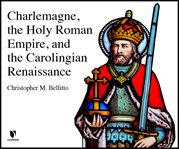
The relationship between church and state is a powerful thread stitching the medieval era to modern history. Through this captivating course on Charlemagne, you can follow it back to its inception in the Holy Roman Empire. Join one of the world's leading Church historians, Professor Christopher Bellitto, in this journey. You will begin this series by unpacking the long history of theocracy outside of Christianity before moving into the often fraught relationship between pope and prince. You'll gain historical context by first exploring the legacy of the Roman emperor Constantine and then trace how Christianity converted Europe in the early Middle Ages. Next, you'll turn to the transformation Charlemagne attempted by around 800, when he was crowned Holy Roman Emperor. Charlemagne regulated the Carolingian Empire using the Roman imperial structure, setting the stage for tremendous power struggles in the centuries to come. As you learn how the relationship between popes and emperors played out thereafter, you'll journey through medieval, reformation, and modern European history. Discover the transformative impact of the Carolingian Renaissance on writing, art, and university learning. Considered an heir to Constantine, Charlemagne came to see himself as an anointed partner-even superior, as defender of the faith-with the papacy. This self-conception is central to the course. A dynamic and lucid presenter, Christopher Bellitto delivers each lecture with illuminating context. Join his classroom today. This course is part of the Learn25 collection
Mode of access: World Wide Web