



Nonfiction
eAudiobook
Details
PUBLISHED
Made available through hoopla
EDITION
DESCRIPTION
1 online resource (1 audio file (10hr., 55 min.)) : digital
ISBN/ISSN
LANGUAGE
NOTES
Read by Lisa Reneé Pitts
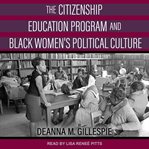
Deanna Gillespie traces the history of the Citizenship Education Program (CEP), a grassroots initiative that taught people to read and write in preparation for literacy tests required for voter registration-a profoundly powerful objective in the Jim Crow South. Born in 1957 as a result of discussions between community activist Esau Jenkins, schoolteacher Septima Clark, and Highlander Folk School director Myles Horton, the CEP became a part of the Southern Christian Leadership Conference in 1961. The teachers, mostly Black women, gathered friends and neighbors in living rooms, churches, beauty salons, and community centers. Through the work of the CEP, literate black men and women were able to gather their own information, determine fair compensation for a day's work, and register formal complaints. Drawing on teachers' reports and correspondence, oral history interviews, and papers from a variety of civil rights organizations, Gillespie follows the growth of the CEP from its beginnings in the South Carolina Sea Islands to southeastern Georgia, the Mississippi Delta, and Alabama's Black Belt. This book retells the story of the civil rights movement from the vantage point of activists who have often been overlooked and makeshift classrooms where local people discussed, organized, and demanded change
Mode of access: World Wide Web