






Nonfiction
eBook
Details
PUBLISHED
Made available through hoopla
DESCRIPTION
1 online resource
ISBN/ISSN
LANGUAGE
NOTES
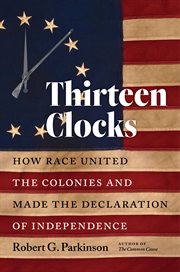
In his celebrated account of the origins of American unity, John Adams described July 1776 as the moment when thirteen clocks managed to strike at the same time. So how did these American colonies overcome long odds to create a durable union capable of declaring independence from Britain? In this powerful new history of the fifteen tense months that culminated in the Declaration of Independence, Robert G. Parkinson provides a troubling answer: racial fear. Tracing the circulation of information in the colonial news systems that linked patriot leaders and average colonists, Parkinson reveals how the system's participants constructed a compelling drama featuring virtuous men who suddenly found themselves threatened by ruthless Indians and defiant slaves acting on behalf of the king. Parkinson argues that patriot leaders used racial prejudices to persuade Americans to declare independence. Between the Revolutionary War's start at Lexington and the Declaration, they broadcast any news they could find about Native Americans, enslaved Blacks, and Hessian mercenaries working with their British enemies. American independence thus owed less to the love of liberty than to the exploitation of colonial fears about race. Thirteen Clocks offers an accessible history of the Revolution that uncovers the uncomfortable origins of the republic even as it speaks to our own moment
Mode of access: World Wide Web