






Fiction
eBook
Details
PUBLISHED
Made available through hoopla
DESCRIPTION
1 online resource
ISBN/ISSN
LANGUAGE
NOTES
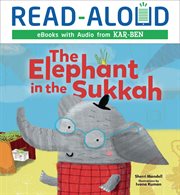
Kar-Ben Read-Aloud eBooks with Audio combine professional narration and text highlighting to bring eBooks to life! Henry, once a happy circus elephant, feels lonely and sad at the farm for old elephants, where nobody wants to hear him sing. One evening, he follows the sound of music and singing to the Brenner family's sukkah. At last, a place where he might sing. But Henry cannot fit inside the sukkah! Ori knows it's a mitzvah to invite guests, and he gets a big idea about how to include Henry in the Sukkot fun. What's a performing elephant to do when his celebrity begins to wane and he is no longer sought after by his adoring audiences? Poor Henry the elephant is accustomed to acclaim and applause, and a quiet life holds no attraction for him. Retirement does not suit him one bit. He still loves to sing but no one wants to listen and Henry continues to crave an audience. One day, he follows some musical strains in the air which lead to him to a sukkah in which a family is sitting and enjoying the holiday, singing song after song. Henry is elated. The first time he listens quietly but, when he returns a second time, he joins in. Young Ori hears him singing and invites him inside to share the holiday with the family but, alas, Henry is simply too big to fit inside the small sukkah. Ori has a clever idea. He suggests that Henry use his enormous body as one wall of the sukkah itself, enabling him to join in the laughter and song. Henry is gratified to have such an important job and sings joyously along with the family at the holiday meal. As the story closes, Henry is already planning his own sukkah for the next year and invites Ori and his family to be his guests. The story is based on an actual Talmudic discussion, although this is not indicated in the book. The sages actually debated whether using a living being, such as an elephant, would be acceptable for use as a sukkah wall. If this fascinating historical fact is noted, it will surely tickle the fancy of adult and child alike. This whimsical tale contains a treasure-trove of substance between its deceptively simple lines. The ability to rise above disappointment, the time-honored mitzvah of welcoming guests, the glory of communal singing and family celebration, a creative approach to problem-solving, and the holiday of Sukkot itself, each play a role in the joyous tale. An explanation of the holiday is appended for parents and children who may not be familiar with its details. The muted but appealing color illustrations perfectly convey the humor and warmth in the story. Henry the elephant will live on in the imaginations of young readers and listeners. "This inventive Sukkot story uses the unexpected addition of an elephant to underscore the idea that all are welcome. Henry is a singing circus elephant who loves his job, but he ages and is sent to an old elephant home. He continues to sing, but no one appreciates him. One day he discovers the Brenner family singing in their sukkah. Returning the next night, he sings along, prompting one of the boys to explain Sukkot and invite him in. However, he does not fit. Ultimately, the Brenners make him into a wall of the sukkah, and he joins their celebration, realizing that the sukkah is "a place to be together." The following year, he builds a larger sukkah and he and the Brenners sing while the other elephants hum along. The text is concise and accessible, ideal for read-alouds. The explanation of the holiday will not be enough for the uninitiated but is integrated smoothly into the narrative. The cartoonish illustrations, reminiscent of Laura Huliska-Beith's work, depict Henry with eyeglasses, a shirt, and a hat, walking on his hind leg
Mode of access: World Wide Web