



Fiction
eAudiobook
Details
PUBLISHED
Made available through hoopla
EDITION
DESCRIPTION
1 online resource (1 audio file (12hr., 40 min.)) : digital
ISBN/ISSN
LANGUAGE
NOTES
Read by Thomas W. Young
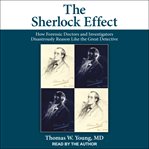
Forensic science is in crisis and at a cross-roads. Movies and television dramas depict forensic heroes with high-tech tools and dazzling intellects who-inside an hour, notwithstanding commercials-piece together past-event puzzles from crime scenes and autopsies. Likewise, Sherlock Holmes-the iconic fictional detective, and the invention of forensic doctor Sir Arthur Conan Doyle-is held up as a paragon of forensic and scientific inspiration-does not "reason forward" as most people do, but "reasons backwards." Put more plainly, rather than learning the train of events and seeing whether the resultant clues match those events, Holmes determines what happened in the past by looking at the clues. Impressive and infallible as this technique appears to be-it must be recognized that infallibility lies only in works of fiction. Reasoning backward does not work in real life: reality is far less tidy. In courtrooms everywhere, innocent people pay the price of life imitating art, of science following detective fiction. In particular, this book looks at the long and disastrous shadow cast by that icon of deductive reasoning, Sherlock Holmes
Mode of access: World Wide Web