






Nonfiction
eBook
Details
PUBLISHED
Made available through hoopla
DESCRIPTION
1 online resource
ISBN/ISSN
LANGUAGE
NOTES
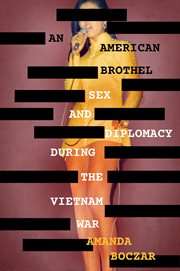
In An American Brothel, Amanda Boczar considers sexual encounters between American servicemen and civilians throughout the Vietnam War, and she places those fraught and sometimes violent meetings in the context of the US military and diplomatic campaigns. In 1966, US Senator J. William Fulbright declared that "Saigon has become an American brothel." Concerned that, as US military involvement in Vietnam increased so, too, had prostitution, black market economies, and a drug trade fueled by American dollars, Fulbright decried an arrogance of power on the part of Americans and the corrosive effects unchecked immorality could have on Vietnam as well as on the war effort. The symbol, at home and abroad, of the sweeping social and cultural changes was often the so-called South Vietnamese bar girl. As the war progressed, peaking in 1968 with more than half a million troops engaged, the behavior of soldiers off the battlefield started to impact affect the conflict more broadly. Beyond the brothel, shocking revelations of rapes and the increase in marriage applications complicated how the South Vietnamese and American allies cooperated and managed social behavior. Strictures on how soldiers conducted themselves during rest and relaxation time away from battle further eroded morale of disaffected servicemen. The South Vietnamese were loath to loosen moral restrictions and feared deleterious influence of a permissive wWestern culture on their society. From the consensual to the coerced, sexual encounters shaped the Vietnam War. Boczar shows that these encounters-sometimes facilitated and sometimes banned by the US military command-restructured the South Vietnamese economy, captivated international attention, dictated military policies, and hung over diplomatic relations during and after the war
Mode of access: World Wide Web