






Nonfiction
eAudiobook
Details
PUBLISHED
Made available through hoopla
EDITION
DESCRIPTION
1 online resource (1 audio file (8hr., 32 min.)) : digital
ISBN/ISSN
LANGUAGE
NOTES
Read by Michael Langan
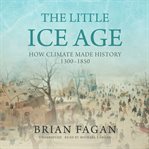
The Little Ice Age tells the story of the turbulent, unpredictable, and often very cold years of modern European history, how climate altered historical events, and what they mean in the context of today's global warming. Only in the last decade have climatologists developed an accurate picture of yearly climate conditions in historical times. This development confirmed a long-standing suspicion: that the world endured a 500-year cold snap, a little ice age, that lasted roughly from AD 1300 until 1850. With its basis in cutting-edge science, The Little Ice Age offers a new perspective on familiar events. Renowned archaeologist Brian Fagan shows how the increasing cold affected Norse exploration; how changing sea temperatures caused English and Basque fishermen to follow vast shoals of cod all the way to the New World; how a generations-long subsistence crisis in France contributed to social disintegration and ultimately revolution; and how English efforts to improve farm productivity in the face of a deteriorating climate helped pave the way for the Industrial Revolution and hence for global warming. This is a fascinating, original book for anyone interested in history, climate, or the new subject of how they interact. "Fagan shows in this wonderful book how vulnerable human society is to climatic zigzags." "[A] highly readable and erudite analysis." "An engrossing historical volume." "A fascinating account of events both obscure and well known, including the French Revolution and the Irish potato famine, as seen through the lens of weather and its effect on harvests." "A nimble, lively, provocative book." "The Little Ice Age could do for the historical study of climate what Foucault's Madness and Civilization did for the historical study of mental illness: make it a respectable subject for scholarly inquiry."
Mode of access: World Wide Web