






Nonfiction
eBook
Details
PUBLISHED
Made available through hoopla
DESCRIPTION
1 online resource
ISBN/ISSN
LANGUAGE
NOTES
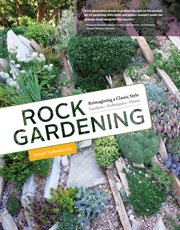
AHS Book Award winner Rock gardening -the art of growing alpines and other miniature plants in the company of rocks in order to recreate the look of a rugged mountaintop-has been surging in popularity. Time and space constraints, chronic drought in the American West, and a trend toward architectural plants are just a few of the reasons for the increased interest. Rock Gardening brings this traditional style to a new generation of gardeners. It includes a survey of gorgeous rock gardens from around the world, the techniques and methods specific to creating and maintaining a rock garden, and profiles of the top 50 rock garden plants. Rock Gardening brings a classic garden style to a new generation of gardeners. It includes a survey of gorgeous rock gardens from around the world, the techniques and methods specific to creating and maintaining a rock garden, and profiles of the top 50 rock garden plants. Joseph Tychonievich studied horticulture, plant breeding, and genetics at the Ohio State University and was the nursery manager at Arrowhead Alpines, a premier rock garden nursery in Fowlerville, Michigan. He is also the editor of Rock Garden Quarterly. Organic Gardening Magazine called him one of "six young horticulturalists who are helping to shape how America gardens." Introduction A warm welcome to the fascinating miniature world of gardening among rocks. Rock gardening, the art of growing alpines and other miniature plants-often in the company of rocks to recreate the look of a rugged mountaintop-has been surging in popularity. There are many reasons that this classic design is coming back into style. Gardeners today generally have less time and less space to garden than their parents or grandparents did, while rock gardening allows an urban gardener with an apartment balcony or tiny plot to grow a bewildering diversity of different plants in a small space, and maintenance takes a fraction of the time required to deal with a similar number of plants in a large perennial border. In addition, many rock garden plants are notably tolerant of-or even fond of-dry conditions, making them the perfect answer to the chronic droughts that seem to be becoming the new normal in much of the American West and elsewhere. Aesthetics is driving people to rock gardens as well. As with anything else, from fashion to food, we get tired of the familiar and want fresh, exciting approaches. The spare, architectural forms and dramatic flowering of alpines are in stark contrast to and a welcome change from the lush containers of annuals and thickly planted perennial beds that have dominated gardening trends for so long. Add to that the fad for fairy gardening, which makes use of tiny plants but with a heavy dose of bright, exuberant, over-the-top fantasy notably lacking from traditionalist rock gardens (traditionalists being fond of their rules and their proper ways of doing things), and, well, you've got a perfect storm: a new wave of rock gardeners and gardens that are beautiful, exciting, and fresh. This new trend in rock gardening is part of a long aesthetic tradition that starts with scenes that anyone who hikes around mountains or cliffs or stony ground will know well: a ridge, cliff-face, or big boulder with plants tucked down in a crevice between two stones, in the soil behind a rock, or even in a shallow pocket of leaf mold collecting in a stony depression. The visual effect of a delicate, beautiful flower set against the hard austerity of stone provides a dramatic contrast, and there is something magical about a seemingly fragile columbine or lewisia managing not just to live but also to thrive in what appears to be a hostile, lifeless location. Rock gardening starts with that image of beauty amid rocks, and draws the bulk of its inspiration from the harsh conditions at the tops of
Mode of access: World Wide Web