






Nonfiction
eBook
Details
PUBLISHED
Made available through hoopla
DESCRIPTION
1 online resource
ISBN/ISSN
LANGUAGE
NOTES
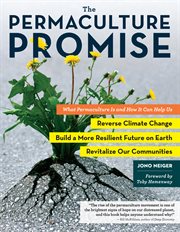
Permaculture is a sustainability buzzword, but many people wonder what it actually means and why it is relevant. Originally coined by combining the words permanent and agriculture, permaculture has evolved into an optimistic approach connecting all the systems of human life: gardening, housing, transportation, energy, and how we structure our communities. The Permaculture Promise explains in simple terms why permaculture may be the key to unlocking a livable future on our planet. Author Jono Neiger asserts that humans can thrive while simultaneously making Earth healthier and not destroying it. The book shows 22 ways that permaculture can create a better future for all living things. Profiles of people and communities - including an urban dweller who tore up her driveway to create a vegetable garden and a California housing development that dedicates a third of its land to parks, orchards, and gardens - will inspire you to incorporate permaculture principles into your life today. The Permaculture Promise offers an optimistic, innovative approach to reversing direction and adopting practices that will regenerate, rather than exhaust, Earth's resources. Jono Neiger is the author of The Permaculture Promise. He is a conservation biologist, a permaculture educator, and a designer. He is a principal at the permaculture design and consultation firm Regenerative Design Group, and he is on the faculty of the Conway School of Landscape Planning and Design. Neiger works to help organizations and individuals further their goals for stewarding their land and to create productive, regenerative human ecosystems. He lives in Leverett, Massachusetts. Toby Hemenway has been an adjunct professor at Portland State University and Scholar-in-Residence at Pacific University. He is the author of The Permaculture City and Gaia's Garden, which won the 2011 Nautilus award and was named one of the ten best gardening books of 2010 by The Washington Post. His writing has appeared in magazines such as Natural Home, Whole Earth Review, and American Gardener. Toby and his wife, Kiel, live in Sebastopol, California. Foreword Introduction 1 Turn Deserts into Farmland 2 Create Self-Fertile Soil 3 Turn Waste into Food 4 Spread the Wealth 5 Build Community 6 Help Individuals & Communities Re-Skill 7 Make Wetlands & River Edges Productive 8 Create More Livable Cities 9 Stabilize Our Food Supply 10 Create Productive Landscapes 11 Help Reverse Climate Change 12 Help You Become a Nicer Person 13 Help You Become a Better Designer (of Landscapes and of Life) 14 Build Smarter Homes 15 Create Gardens That Provide for Themselves 16 Stop Erosion & Make Water Cleaner 17 Ensure That We Have Enough Water 18 Create Financially Resilient Communities 19 Revitalize Natural Areas while Providing for Humans 20 Turn Problems into Solutions 21 Fulfill Our Energy Needs 22 Build a Resilient Future Basics of Permaculture Systems Resources The Shoulders We Stand On Gratitude Index An Optimistic Road Map for Our Future Permaculture is a design system that offers practical ideas for how humans can simultaneously provide for ourselves and regenerate the natural world. Here are 22 ways that permaculture can help us achieve that goal, brought to life through profiles of people and communities who are already taking the permaculture path. This groundbreaking approach moves beyond sustainability, connecting all the systems of human life, including gardening, housing, transportation, energy, and how we structure our communities. Help reverse climate change - Fulfill our energy needs - Create more livable cities - Build smarter homes - Ensure there is clean water - Stabilize our food supply. "
Mode of access: World Wide Web