






Nonfiction
eBook
Details
PUBLISHED
Made available through hoopla
DESCRIPTION
1 online resource
ISBN/ISSN
LANGUAGE
NOTES
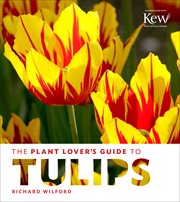
Tulips are one of the most popular spring-flowering bulbs. Available in a huge range of colors and in a wide array of shapes, they're a mainstay of most spring gardens. They are the focus of festivals worldwide and are a sure sign spring is on the way. The Plant Lover's Guide to Tulips, by Richard Wilford of the Royal Botanic Gardens Kew, profiles 100 commonly available species and cultivars, and features growing information, recommendations for companion plants, and tips on how to use tulips in the landscape. More than 250 color photographs bring these colorful gems to life. In the tradition of creating a valuable library of beautiful, plant-driven books, Timber Press's series of Plant Lover's Guides are packed with trusted information alongside lush, full-color photography. This guide is perfect for beginning and expert home gardeners who want to celebrate the beauty of tulips. Richard Wilford is the collections manager for the Hardy Display section at the Royal Botanic Gardens Kew. He has a particular interest in bulbs and is a member of the Royal Horticultural Society's Bulb Committee (formally the Daffodil and Tulip Committee). He writes for Kew Magazine and Garden Illustrated among others, and serves on the Publications Committee for Kew Publishing and the editorial committees of Kew Magazine and Curtis's Botanical Magazine. This is his fourth book, all of them illustrated extensively with his photos. Introduction: Why I Love Tulips How can you not love a perfect display of bright, pristine tulips, basking in the warmth of the spring sunshine? The richness of their colours and the variety of their flower shapes make tulips endlessly fascinating. It may not be love at first sight, but the allure of these plants will creep up on you and before you know it, you are seeking out new varieties, experimenting with different colour combinations, and finding new places to try tulips in your garden. I first started paying attention to tulips when I was looking after the bulb collections at the Royal Botanic Gardens, Kew. One of the cold frames was home to a collection of tulip species growing in clay pots. I watered them, repotted them every autumn, and put them out on display when they flowered, as I did with all the other bulbs. Not until I saw a tulip growing in the wild, however, did I really start to take more notice. It was on the Mediterranean island of Crete that I saw my first wild tulip. It was tiny---a delicate, pale pink flower, almost white, held on a short stem above two narrow leaves. Its name was Tulipa cretica and it seemed to be growing straight out of a rock, surviving on the bare minimum of soil. The Cretan summer is long, hot, and dry, yet this little plant was going to live through it until the autumn rains arrived. It could do this because it grows from a bulb, and before the summer hit, it would retreat back to that bulb, hidden from the sun and needing no water. What seemed so remarkable to me was how this miniscule flower was related to the showy bedding tulips I was used to seeing in parks and gardens. I saw other tulips on Crete that were larger and more brightly coloured, such as the pink-and-yellow Tulipa saxatilis, growing on the cliffs of a gorge or scattered through high-altitude meadows, but still they seemed remote from the garden tulips back home, which I found intriguing. I was beginning to fall for them. Another turning point was a visit to Keukenhof in the Netherlands a few years later. This garden is devoted to bulbs, and in mid to late spring, it is the tulips that steal the show, and they really do put on a show. It is almost too much. There must be thousands and thousands of tulips all flowering at once. As you turn each corner, another stunning display confronts you. My experience at Keukenhof was the complete opposite o
Mode of access: World Wide Web