






Nonfiction
eBook
Details
PUBLISHED
Made available through hoopla
DESCRIPTION
1 online resource
ISBN/ISSN
LANGUAGE
NOTES
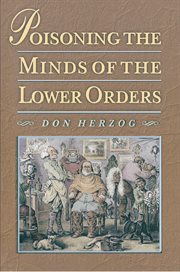
Conservatism was born as an anguished attack on democracy. So argues Don Herzog in this arrestingly detailed exploration of England's responses to the French Revolution. Poisoning the Minds of the Lower Orders ushers the reader into the politically lurid world of Regency England. Deftly weaving social and intellectual history, Herzog brings to life the social practices of the Enlightenment. In circulating libraries and Sunday schools, deferential subjects developed an avid taste for reading; in coffeehouses, alehouses, and debating societies, they boldly dared to argue about politics. Such conservatives as Edmund Burke gaped with horror, fearing that what radicals applauded as the rise of rationality was really popular stupidity or worse. Subjects, insisted conservatives, ought to defer to tradition--and be comforted by illusions. Urging that abstract political theories are manifest in everyday life, Herzog unflinchingly explores the unsavory emotions that maintained and threatened social hierarchy. Conservatives dished out an unrelenting diet of contempt. But Herzog refuses to pretend that the day's radicals were saints. Radicals, he shows, invested in contempt as enthusiastically as did conservatives. Hairdressers became newly contemptible, even a cultural obsession. Women, workers, Jews, and blacks were all abused by their presumed superiors. Yet some of the lowly subjects Burke had the temerity to brand a swinish multitude fought back. How were England's humble subjects transformed into proud citizens? And just how successful was the transformation? At once history and political theory, absorbing and disquieting, Poisoning the Minds of the Lower Orders challenges our own commitments to and anxieties about democracy
Mode of access: World Wide Web