






Nonfiction
eAudiobook
Details
PUBLISHED
Made available through hoopla
EDITION
DESCRIPTION
1 online resource (1 audio file (1hr., 39 min.)) : digital
ISBN/ISSN
LANGUAGE
NOTES
Read by Daniel Houle
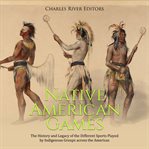
Athletics in Central and North American societies go much further back than most people realize. The native peoples took their sports just as seriously as any of today's most fervent soccer fans. One major difference between modern sports and these aboriginal games is that the native people's sports often had strong religious content, and games were sometimes seen as literal substitutes for war, played to resolve disputes between towns or tribes. The sport that archaeologists call the Mesoamerican ballgame, best known from the ancient Maya and the more recent Aztecs, has a 3,000-year history. It's probably the most ancient sport in the world and lasted far longer than the Olympics of Greece and Rome. It spread from the mysterious Olmecs of the Mexican Gulf Coast to as far north as the American Southwest and perhaps as far as Colombia in South America. A much milder form is still played in several places in Mexico. Players of the game used a rubber ball thousands of years before the Europeans were aware that something like rubber existed. The ball was extremely heavy, and an errant hit could seriously injure a player. In its classic form, the ballgame was both recreation and literally deadly serious. Teams of two to four players competed, and the captain of the losing team was sometimes immediately decapitated and offered as a sacrifice. Skull racks were frequently near ball courts, used to display the skulls of human sacrifices. In the Aztec version, the player might have his heart cut out and offered to the gods
Mode of access: World Wide Web