






Nonfiction
eBook
Details
PUBLISHED
Made available through hoopla
DESCRIPTION
1 online resource
ISBN/ISSN
LANGUAGE
NOTES
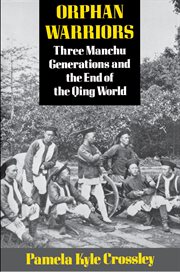
In the mid-1600s, Manchu bannermen spearheaded the military force that conquered China and founded the Qing Empire, which endured until 1912. By the end of the Taiping War in 1864, however, the descendants of these conquering people were coming to terms with a loss of legal definition, an ever-steeper decline in living standards, and a sense of abandonment by the Qing court. Focusing on three generations of a Manchu family (from 1750 to the 1930s), Orphan Warriors is the first attempt to understand the social and cultural life of the bannermen within the context of the decay of the Qing regime. The book reveals that the Manchus were not "sinicized," but that they were growing in consciousness of their separate ethnicity in response to changes in their own position and in Chinese attitudes toward them. Pamela Kyle Crossley's treatment of the Suwan Guwalgiya family of Hangzhou is hinged upon Jinliang (1878-1962), who was viewed at various times as a progressive reformer, a promising scholar, a bureaucratic hack, a traitor, and a relic. The author sees reflected in the ambiguities of his persona much of the plight of other Manchus as they were transformed from a conquering caste to an ethnic minority. Throughout Crossley explores the relationships between cultural decline and cultural survival, polity and identity, ethnicity and the disintegration of empires, all of which frame much of our understanding of the origins of the modern world
Mode of access: World Wide Web