




Details
PUBLISHED
Made available through hoopla
DESCRIPTION
1 online resource
ISBN/ISSN
LANGUAGE
NOTES
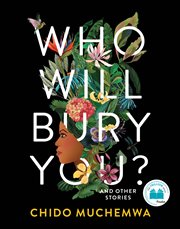
Intimate stories about Zimbabweans in moments of transition that force them to decide who they really are and choose the people they call their own. Set in Toronto and Zimbabwe, the twelve elegant stories in "Who Will Bury You?" touch on themes of loss, identity, and inequality as they follow the lives of Zimbabweans who often feel like they are on the outside looking in. A mother and daughter navigate new relationship dynamics when the daughter comes out as a lesbian. Two sisters wonder what will hold them together after their grandmother's death. A daughter tries to tell her father she loves him as she prepares to leave home for the first time. A journalist takes her grieving mother on a trip to report on girls who are allegedly being abducted by mermaids. A girl born to be the river god's wife becomes a hero when chaos breaks out in the mighty Zambezi. A group of mothers discover just how far they are willing to go to protect their children during wartime. Ephemeral yet beautifully satisfying, the stories in Chido Muchemwa's debut collection ask what makes people leave home, what makes them come back, and what keeps them there. - A collection of stories about people who often feel like they are on the outside looking in. - In Zimbabwe, same-sex sexual activity is prohibited, same-sex marriage is banned, and LGBTQ+ people are heavily marginalized in both the legal and social spheres, with no legal protections from discrimination, violence, or harassment. But these stories consider what queerness actually looks like on an interpersonal level, depicting queer love and joy as well as reconciliation between family members. - Some of the stories in the collection are inflected by Zimbabwean mythology. - The author wrote many of these stories to cope after her father's death. The characters are dealing with all types of loss, but the collection remains hopeful. - The phrase "Who will bury you" appears as a refrain throughout the collection. The title story includes the line "Sometimes I think that maybe when I ask who will bury you what I'm really saying is who will be there at the end?"
Mode of access: World Wide Web