






Details
PUBLISHED
Made available through hoopla
DESCRIPTION
1 online resource (165 pages)
ISBN/ISSN
LANGUAGE
NOTES
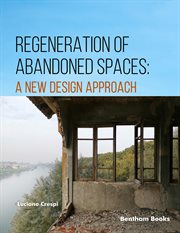
Our urban landscapes are filled with "leftovers" - abandoned buildings and unused spaces, remnants of industrial decline and societal transformations. Regeneration of Abandoned Spaces: A New Design Approach investigates how design and architecture can revitalize these neglected areas, transforming them into dynamic, livable environments. This book is organized into three parts, each providing a comprehensive framework for addressing this multifaceted challenge. Part One explores the dynamic nature of modern living spaces and how interior design can adapt to the fluid lifestyles of contemporary nomads. It delves into advanced drawing techniques that capture the intricate complexities of these evolving environments. Part Two focuses on the philosophical aspects of design, particularly within exhibition design, examining how unfinished spaces can evoke deep emotional responses. It explores the role of temporary installations in revitalizing urban areas, demonstrating how ephemeral interventions can catalyze long-term renewal. The final section, Part Three, addresses the concept of ""unfinished design"" in architecture, showcasing successful projects from around the world. It emphasizes the aesthetic and functional benefits of embracing imperfections and repurposing abandoned spaces. This part provides practical strategies and inspiring examples, illustrating how adaptive reuse and incompleteness can lead to sustainable and inclusive urban regeneration. Regeneration of Abandoned Spaces: A New Design Approach is an essential resource for professionals, urban planners, and anyone passionate about urban architecture and renewal. Combining theoretical insights with practical guidance, it equips readers with the tools and knowledge needed to reimagine and reconstruct our cities, fostering a more sustainable and inclusive future. Readership Professionals and students in the field or urban planning, landscaping and restoration projects
Mode of access: World Wide Web