




Details
PUBLISHED
Made available through hoopla
DESCRIPTION
1 online resource
ISBN/ISSN
LANGUAGE
NOTES
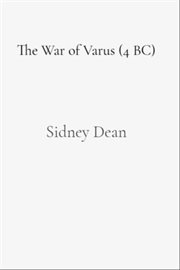
King Herod I. served Rome as a willing proxy ruler over Judea, alienating his Jewish subjects by supporting pagan temples, observance of Roman holidays, and sponsorship of arena games in Jerusalem. The last straw for the pious Jewish opposition was erection of a huge gilded eagle - the symbol of Roman power - above the gates to the Temple District. When Herod died in 4 BC, Jerusalem and all Judea erupted. Pious Jews, would be Messiahs, and terrorists alike rose up, all hoping to restore Judea's liberty. Publius Quintilius Varus, Rome's governor in Syria, was tasked with suppressing the revolts and restoring order -- Rome's order -- in the land. This study provides a fast-paced and engaging introduction to this pivotal, but under-reported, conflict. The events during Varus' governorship set the stage for the few decades of Roman occupation and Jewish resistance in Judea. The implications go far beyond Roman or even Jewish history. Jesus of Nazareth was most likely born during or just before these events. Many aspects of the War of Varus reflect the New Testament's description of this era. The Massacre of the Innocents ordered by Herod, and which fanned the flames of the historical revolt, is the likely inspiration for the Biblical description of Herod's infanticide order. Joseph, a descendent of King David, might well have had ties to one or another faction of the Jewish resistance. Taking his young family to safety in the anonymity of Egypt - either during the chaos or to escape the draconian Roman punishment of the Judeans - also takes on new significance
Mode of access: World Wide Web