




Nonfiction
eAudiobook
Details
PUBLISHED
Made available through hoopla
EDITION
DESCRIPTION
1 online resource (1 audio file (37 min.)) : digital
ISBN/ISSN
LANGUAGE
SERIES
NOTES
Read by Brian Allan Skinner
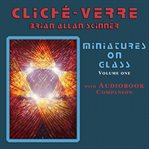
Clich-verre is a technique of etching and painting directly on photographic negatives. The term means glass negative in French and is as old as photography itself, dating to the 1840sand earlier. The first successful photographic process involvedcoating glass plates with light-sensitive chemicals from whichreversed (positive) prints could be made. Artists experimentedwith drawing, etching, and combining images directly on theglass, resulting in fanciful black-and-white prints. But fewartists were inspired to develop the idea further until theadvent of color photography in the early 20th Century. The Magic Lantern, long predating photography, was inventedby Christiaan Huygens, a Dutch astronomer and physicist,inthe 1600s. It is a simple device for projecting images, basedupon the centuries-old principles of the camera obscura ordarkened room. When the photographic process evolved tofilm rather than glass plates, the technology spread. Color filmarrived in the 1930s. There were now both film negatives andpositives (slides). Brian Allan Skinner is the author of six volumes of illustratedfiction. His experiments with clich-verre began in the 1960s.Here are 50 examples of his work from the past half-century, inbrilliant color. In the epilogue, he explains his process in detail
Mode of access: World Wide Web