






Nonfiction
eBook
Details
PUBLISHED
Made available through hoopla
DESCRIPTION
1 online resource
ISBN/ISSN
LANGUAGE
NOTES
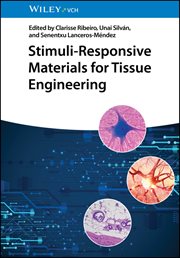
Enables advanced tissue regeneration approaches via expertise from the fields of materials science and biology Stimuli-Responsive Materials for Tissue Engineering comprehensively reviews the use of stimuli-responsive materials in the context of advanced tissue engineering approaches, highlighting applications, challenges, and solutions and reporting on the current state of the art of smart and multifunctional materials being used for tissue engineering, focusing on material types and their properties. The progress that has already been achieved in the field is put into perspective by covering the remaining challenges in the research field of tissue engineering, and solutions are outlined to overcome those. By addressing challenges and ways to overcome them, Stimuli-Responsive Materials for Tissue Engineering is a highly practical resource on advanced tissue regeneration. Stimuli-Responsive Materials for Tissue Engineering contains information on: - Smart and multifunctional materials for tissue engineering, covering electroactive and magnetoactive materials - Shape memory, photo-responsive, and controlled degradation of stimuli-responsive materials - Tissue regeneration strategies based on smart and active biomaterials, covering bone, heart, and neural tissue regeneration - Main applications where these biomaterials can be applied, such as in bone, muscle, and skin regeneration - Other potential areas where the covered biomaterials are expected to make a major impact in the next decade With comprehensive coverage of the subject, Stimuli-Responsive Materials for Tissue Engineering is an essential resource for materials scientists, bioengineers, engineering scientists, and biotechnologists seeking to understand advanced tissue regeneration approaches, current challenges, and potential solutions to advance progress in the field
Mode of access: World Wide Web