





Nonfiction
eAudiobook
Details
PUBLISHED
Made available through hoopla
EDITION
DESCRIPTION
1 online resource (1 audio file (29 min.)) : digital
ISBN/ISSN
LANGUAGE
NOTES
Read by Sam Scholl
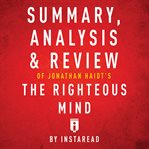
Summary, Analysis & Review of Jonathan Haidt's The Righteous Mind by Instaread Preview: Jonathan Haidt's The Righteous Mind: Why Good People Are Divided By Politics and Religion is an application of Haidt's research on moral psychology to the context of American politics. Haidt argues that morality is based on both intuition and reasoning, and that liberals and conservatives base their beliefs on different and often competing moral constructs. He suggests that conservatism in the United States relies more on appeal to moral intuitions than liberalism does, and that liberals should take conservative morality seriously by acknowledging the validity of the moral institutions that appeal to conservatives. There are three principles of moral psychology. The first is that moral intuitions precede moral reasoning. The second is that morality not only describes opinions about harm and fairness, but also includes communal and group taboos and commitments. Third, morality binds communities together, and the moral impetus to community can cause moral blind PLEASE NOTE: This is a Summary, Analysis & Review of the book and NOT the original book. Inside this Summary, Analysis & Review of Jonathan Haidt's The Righteous Mind by Instaread: - Overview of the Book - Important People - Key Takeaways - Analysis of Key Takeaways
Mode of access: World Wide Web