






Nonfiction
eBook
Details
PUBLISHED
Made available through hoopla
DESCRIPTION
1 online resource (776 pages)
ISBN/ISSN
LANGUAGE
NOTES
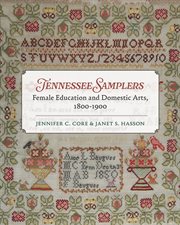
"This extensive study, nearly twenty years in the making, is a major contribution to the understanding of American textile material culture." - Candace J. Adelson, Senior Curator of Fashion and Textiles Emeritus, Tennessee State Museum Containing dozens of beautiful, full-color photographs, Jennifer C. Core and Janet S. Hasson's study of samplers-embroideries that are "first attempts at a new technique, color combination, or unusual material"-provides vivid descriptions of this nineteenth-century Tennessee art form in its many varieties. The authors not only catalogue and describe samplers from each of Tennessee's major regions-West, Middle, and East-but also incorporate research on the sampler makers and their families. This research provides fascinating insight into the stitchers, their teachers, and their academies. Including a chapter on female education on the Tennessee frontier and another on embroideries and needlework focused on mourning, the volume draws on oral histories of the embroiderers' descendants, family Bibles, diaries, scrapbooks, cemetery records, and other primary sources. Photos of the samplers are accompanied by detailed descriptions of styles, thread count, materials used, frames, and motifs. Ultimately, the study provides a glimpse of the lives of girls and young women in nineteenth-century Tennessee, including the role of this ornamental art in their education. Providing important historical context on Tennessee education, economy, and domestic life, Core and Hasson describe how embroidery came to be a crucial primary source in revealing the lives of girls and young women during a time when little was recorded about them. This book is an authoritative record of the material culture produced in the daily routine of school rooms. It is for all who see beauty in sometimes-overlooked handiwork and understand the importance of curating, preserving, and analyzing it
Mode of access: World Wide Web