






Details
PUBLISHED
Made available through hoopla
DESCRIPTION
1 online resource (220 pages)
ISBN/ISSN
LANGUAGE
NOTES
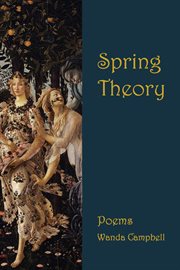
Wanda Campbell's sixth poetry collection, Spring Theory, meets the chaos of the current times with forms that are fractured and familiar in poems of lament and love, hunger and hope. It moves from exploring the darkness of fall to capturing spring's rejuvenating light. Between these contrasting seasons are three suites: ekphrastic poems inspired by Alex Colville's images of Nova Scotia's Annapolis Valley, prose poem tributes to twelve Canadian writers, and the heart of the collection, the lost sonnets of "Dementia Diary Down Under." These 26 poems compare Alzheimer's to the topsy-turvy world of Australia and subject the sonnet to scattering, loss and erasure to echo what happens to a brain with this degenerative illness. Nearly a million Canadians and 55 million worldwide suffer from dementia and the poet attempts to understand the unpredictable experiences of her own aging relatives with empathy and insight. In exploring the challenges faced by the "sandwich generation," Campbell employs a variety of forms: from free verse to found poetry and reimagined sonnets. With curiosity and candor, she finds striking comparisons in the world around her: caring for elderly parents and canoeing, Colville's crow and a landing plane, Covid cures and hummingbirds, war and Easter eggs, a Botticelli painting and the loves of her life, and in the poem selected as a Montreal International Poetry Prize finalist that inspired the title of the collection. Wanda Campbell's sixth poetry collection, Spring Theory, moves from exploring the darkness of fall to capturing spring's rejuvenating light. Between these contrasting seasons are three suites: ekphrastic poems inspired by Alex Colville's images of Nova Scotia's Annapolis Valley, the lost sonnets of "Dementia Diary Down Under" which compare the experience of Alzheimer's to the topsy-turvy world of Australia, and prose poem tributes to twelve Canadian writers who have influenced her work. Wanda Campbell's sixth poetry collection, Spring Theory, meets the chaos of the current times with forms that are fractured and familiar in poems of lament and love, hunger and hope. It moves from exploring the darkness of fall to capturing spring's rejuvenating light. Between these contrasting seasons are three suites: ekphrastic poems inspired by Alex Colville's images of Nova Scotia's Annapolis Valley, prose poem tributes to twelve Canadian writers, and the heart of the collection, the lost sonnets of "Dementia Diary Down Under." These 26 poems compare Alzheimer's to the topsy-turvy world of Australia and subject the sonnet to scattering, loss and erasure to echo what happens to a brain with this degenerative illness. Nearly a million Canadians and 55 million worldwide suffer from dementia and the poet attempts to understand the unpredictable experiences of her own aging relatives with empathy and insight. In exploring the challenges faced by the "sandwich generation," Campbell employs a variety of forms: from free verse to found poetry and reimagined sonnets. With curiosity and candor, she finds striking comparisons in the world around her: caring for elderly parents and canoeing, Colville's crow and a landing plane, Covid cures and hummingbirds, war and Easter eggs, a Botticelli painting and the loves of her life, and in the poem selected as a Montreal International Poetry Prize finalist that inspired the title of the collection
Mode of access: World Wide Web