




Details
PUBLISHED
Made available through hoopla
DESCRIPTION
1 online resource (128 pages)
ISBN/ISSN
LANGUAGE
NOTES
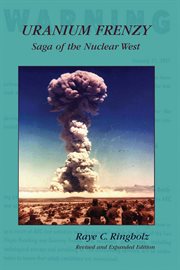
A history of the U.S. Atomic Energy Commission's need for uranium ore in the 1950s, the frenzied search, and the aftermath. Now expanded to include the story of nuclear testing and its consequences, UraniumFrenzy has become the classic account of the uranium rush that gripped the Colorado Plateau region in the 1950s. Instigated by the U.S. government's need for uranium to fuel its growing atomic weapons program, stimulated by Charlie Steen's lucrative Mi Vida strike in 1952, manned by rookie prospectors from all walks of life, and driven to a fever pitch by penny stock promotions, the boom created a colorful era in the Four Corners region and Salt Lake City (where the stock frenzy was centered) but ultimately went bust. The thrill of those exciting times and the good fortune of some of the miners were countered by the darker aspects of uranium and its uses. Miners were not well informed regarding the dangers of radioactive decay products. Neither the government nor anyone else expended much effort educating them or protecting their health and safety. The effects of exposure to radiation in poorly ventilated mines appeared over time. The uranium boom is only part of the larger story of atomic weapons testing and its impact in the western United States. Nuclear explosions at the Nevada Test Site not only spurred uranium mining, they also had a disastrous impact on many Americans: downwinders in the eastward path of radiation clouds, military observers and guinea pigs in exposed positions, and Navajo and other uranium mill workers all became victims, as deaths from cancer and other radiation-caused diseases reached much higher than normal rates among them. Tons of radioactive waste left by mines, mills, and the nuclear industry and how to dispose of them are other nagging legacies of the nuclear era. Recent decades have brought multiple attempts by victims to obtain compensation from the federal government and other legal battles over disposal of nuclear waste. When courts refused to grant relief to downwinders and others, Congress eventually interceded and legislated compensation for a limited number of victims able to meet strict criteria, but did not adequately fund the program. Recently, Congress attempted to fix this shortfall, but in the meantime many downwinders and others holding compensation IOUs had died. Congressional and other efforts to dispose of waste have lately focused on Nevada and Utah, two states all too familiar with nuclear issues and reluctant to take on further radioactive burdens
Mode of access: World Wide Web