






Details
PUBLISHED
Made available through hoopla
DESCRIPTION
1 online resource
ISBN/ISSN
LANGUAGE
NOTES
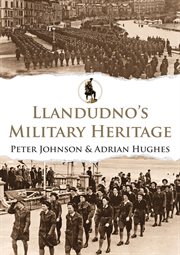
The north Wales seaside resort of Llandudno developed in the 1850s from a scatter of small settlements on the slopes of the Great Orme. The Iron Age defences of Pen Dinas hill fort and the presence of Roman coin hoards suggest local military conflict, and skirmishes are recorded from the time of the Vikings. In later centuries the focus for military activity stretches a mile or so down the Conwy Valley to the castles of Deganwy and battles between Welsh and English. Llandudno became embroiled in the invasion of Edward I when he gave the Bishop of Bangor land on the Great Orme to build a 'palace'. This was sacked in Owain Glyndwr's revolt of the early 1400s. With the rise of Britain's empire copper was mined, partly to provide cladding for the wooden-hulled ships of her navy. By the twentieth century significant military training establishments were based in the area, as were prisoner-of-war camps and convalescent homes for military personnel. In 1915 a German U-boat attempted to pick up escaped POWs in Llandudno Bay, and the town was chosen as the new location for the Royal Artillery's Coast Artillery School and the Inland Revenue. In Llandudno's Military Heritage authors Peter Johnson and Adrian Hughes cover all this and more, showing the impact that the military has had on this north Wales town, its combatants and its citizens over the centuries
Mode of access: World Wide Web