






Nonfiction
eBook
Details
PUBLISHED
Made available through hoopla
DESCRIPTION
1 online resource
ISBN/ISSN
LANGUAGE
NOTES
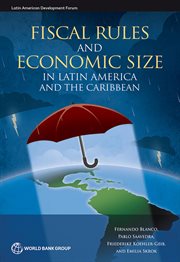
Following the collapse of commodity prices in Latin America and the Caribbean (LAC) in 2014-15, many countries in the region were unable to cushion the impact of the shock in order to experience a more gradual adjustment, to a large extent because they had not built adequate fiscal buffers during the commodities' windfall from 2010-14. Many LAC countries entered 2020 and the COVID-19 crisis in an even more difficult position, with rising debt and limited fiscal space to smooth the negative impacts of the pandemic and adequately support their economies. Fiscal policy in most LAC countries has been procyclical. Public expenditure and debt levels have expanded in good times and contracted in severe downswings due to insufficient fiscal buffers, making crises deeper. Fiscal rules represent a promising policy option for these and other economies. If well-designed and implemented, they can help build buffers during periods of strong economic performance that will be available during rainy days to smooth economic shocks. This book-which was prepared before the COVID-19 crisis-reviews the performance and implementation of different fiscal rules in the region and world. It provides analytical and practical criteria for policy makers for the design, establishment, and feasible implementation of fiscal rules based on each country's business cycle features, external characteristics, type of shocks faced, initial fiscal conditions, technical and institutional capacities, and political context. While establishing new fiscal rules would not help to attenuate the immediate effects of this pandemic crisis, higher debt levels in the aftermath of COVID-19 will demand rebuilding better and stronger institutional frameworks of fiscal policy in LAC and emerging economies globally. Having stronger fiscal mechanisms that include fiscal rules can help countries prepare for the next crisis and should be on the front burner for policy makers in coming years. The findings and lessons discussed apply to economies of different sizes, with some differences under certain scenarios in terms of the technical design and criteria needed for implementation. In this book, policy makers will find that fiscal rules, if tailored to country characteristics, can work and be an essential fiscal tool for larger and particularly smaller economies
Mode of access: World Wide Web