




Nonfiction
eAudiobook
Details
PUBLISHED
Made available through hoopla
EDITION
DESCRIPTION
1 online resource (1 audio file (8hr., 18 min.)) : digital
ISBN/ISSN
LANGUAGE
NOTES
Read by Tristan Wright
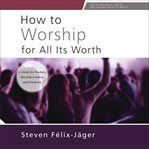
Worship of God is at the heart of the Christian life. But it also varies widely across different churches and traditions. What, then, should our worship look like? And what does it mean to worship God well? In How to Worship for All Its Worth, theologian, artist, and songwriter Steven Félix-Jäger offers four principles for contemporary worship: it should be biblically faithful; aesthetically rich yet appropriate; theologically sound and robust; and pastorally sensitive but challenging. Demonstrating what these principles look like in practice, he also offers case studies from a range of churches and traditions, including Evangelical, Reformed, Pentecostal, Black Gospel, and Charismatic Catholic worshiping communities. Collectively, these principles and case studies can help the body of Christ, which is both one yet diverse, as it seeks to worship God well. What does it mean to worship God well? In How to Worship for All Its Worth, theologian, artist, and songwriter Steven Félix-Jäger offers four principles for contemporary worship and several case studies from a range of churches and traditions to help the body of Christ discern how to worship God well. Worship of God is at the heart of the Christian life. But it also varies widely across different churches and traditions. What, then, should our worship look like? And what does it mean to worship God well? In How to Worship for All Its Worth, theologian, artist, and songwriter Steven Félix-Jäger offers four principles for contemporary worship: it should be biblically faithful; aesthetically rich yet appropriate; theologically sound and robust; and pastorally sensitive but challenging. Demonstrating what these principles look like in practice, he also offers case studies from a range of churches and traditions, including Evangelical, Reformed, Pentecostal, Black Gospel, and Charismatic Catholic worshiping communities. Collectively, these principles and case studies can help the body of Christ, which is both one yet diverse, as it seeks to worship God well
Mode of access: World Wide Web