






Nonfiction
eBook
Details
PUBLISHED
Made available through hoopla
DESCRIPTION
1 online resource
ISBN/ISSN
LANGUAGE
NOTES
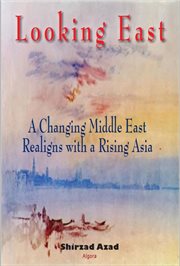
Shirzad Azad provides a thorough and insightful exploration of the fast-changing geopolitical relationships between the Middle East and Asia, particularly the growing trend of major Middle Eastern nations to shift their focus towards Asia, forging new, deeper connections with the rapidly ascending economies of the East. Azad carefully examines this significant realignment and its potential repercussions for global politics. As the Middle East navigates a period of significant transformation, countries such as Iran, Israel, Turkey, Saudi Arabia, the United Arab Emirates, Iraq, and Egypt are increasingly adopting a "Look East" strategy. This strategic pivot marks a move away from traditional Western alliances towards building stronger partnerships with Asian powers. Azad's analysis delves into the driving forces behind this shift and explores the possible outcomes for the global geopolitical balance. The book offers a detailed exploration of how these Middle Eastern countries are working to strengthen their economic, political, and strategic relationships with Asian nations. Azad sheds light on the motivations behind this shift, providing a clearer understanding of the broader implications for international relations and the emerging balance of power. The "Look East" policy represents a profound geopolitical shift, altering the traditional North-South axis and setting the stage for potentially significant global changes. Through an examination of trade relations, investment patterns, and diplomatic efforts, Azad highlights how Middle Eastern nations are looking towards Asia for new economic opportunities, technological innovation, and strategic partnerships. This analysis offers valuable insights into the shifting nature of global power dynamics and the evolving allegiances of key regional players. The book also considers the wider implications of this realignment for global stability and security. As Middle Eastern countries deepen their ties with Asia, new challenges and opportunities arise on the global stage. Azad's nuanced analysis explores how these developments could influence regional and global stability, as well as how other major powers might respond. Azad grounds his work in a comprehensive examination of both the historical and contemporary contexts of Middle Eastern and Asian relations. By tracing the historical interactions between these regions, the book provides essential context for understanding the current geopolitical shift. Azad's insights into historical precedents and current developments offer a rich perspective on this significant transformation in global politics. "Looking East" is an essential resource for anyone interested in the evolving dynamics of international relations and the changing contours of global power. Azad's thorough analysis offers a clear and detailed understanding of how the Middle East is increasingly aligning with Asia and the potential consequences of this shift for the future. The book's in-depth examination of key players and their strategies provides valuable insights into the new realities shaping the global political landscape. Through its exploration of the motivations, strategies, and potential outcomes of this realignment, "Looking East" contributes to a deeper understanding of the shifting power dynamics that are redefining global politics. The "Look East" strategy represents a significant departure from traditional alliances, opening up new avenues for cooperation and growth. Azad's comprehensive analysis makes "Looking East" a timely and relevant study of one of the most important geopolitical shifts of our time
Mode of access: World Wide Web