






Details
PUBLISHED
Made available through hoopla
DESCRIPTION
1 online resource
ISBN/ISSN
LANGUAGE
NOTES
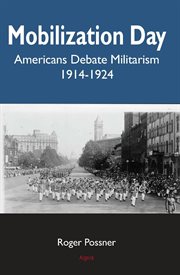
Rediscovering America's Anti-Militarist Tradition In Mobilization: Americans Debate Militarism 1914-1924, Roger Possner uncovers a largely forgotten chapter in American history-the fervent debate over militarism during the early twentieth century. At a time when unlimited military spending is often seen as America's only option, Possner's book reminds us that this notion was once vigorously contested. Drawing on detailed historical events and rich documentation, the book chronicles how militarists and anti-militarists fought to persuade the nation about the best path for national security. Possner's account highlights the vibrant tradition of anti-militarism in the United States, especially between 1914 and 1924. Organizations like the American Union Against Militarism and the Committee on Militarism in Education played central roles in opposing the expansion of military forces and the spread of military values. Unlike pacifists or isolationists, these anti-militarists believed that America's security would be better achieved through peaceful engagement, diplomacy, and international cooperation. They argued that no foreign power posed a real threat to the U.S., making large military buildups unnecessary. The book presents the core debate of the era: was national security best preserved by military might or by promoting peaceful solutions to global challenges? Militarists maintained that a world full of threats demanded greater preparedness and larger forces, while anti-militarists warned about negative social and political consequences, including the rise of a military-industrial complex and the erosion of civil liberties. Possner's non-technological chronological narrative follows key events from preparedness campaigns before World War I, through the war years, and into the postwar period when America emerged as a global power. Mobilization is more than a historical account-it's a reflection on current debates about military spending and national security. The questions raised a century ago remain relevant: Can security be achieved solely through military might? How do militarism and large standing armies affect democracy? Are there better ways to engage with the world? Possner's well-researched book provides a balanced and comprehensive view, inviting readers to reconsider the lessons of the past as they navigate today's complex international landscape. With its thorough research and engaging narrative, Mobilization is suitable for both academic and public libraries, as well as readers interested in American history, politics, and peace studies. This book is a vital resource for anyone seeking to understand how the United States grappled with militarism and its consequences-and how those debates continue to shape our world today. Roger Possner holds a PhD from the University of California/Riverside in modern American history. He is the author of several works on the history of militarism controversies in 20th century America
Mode of access: World Wide Web